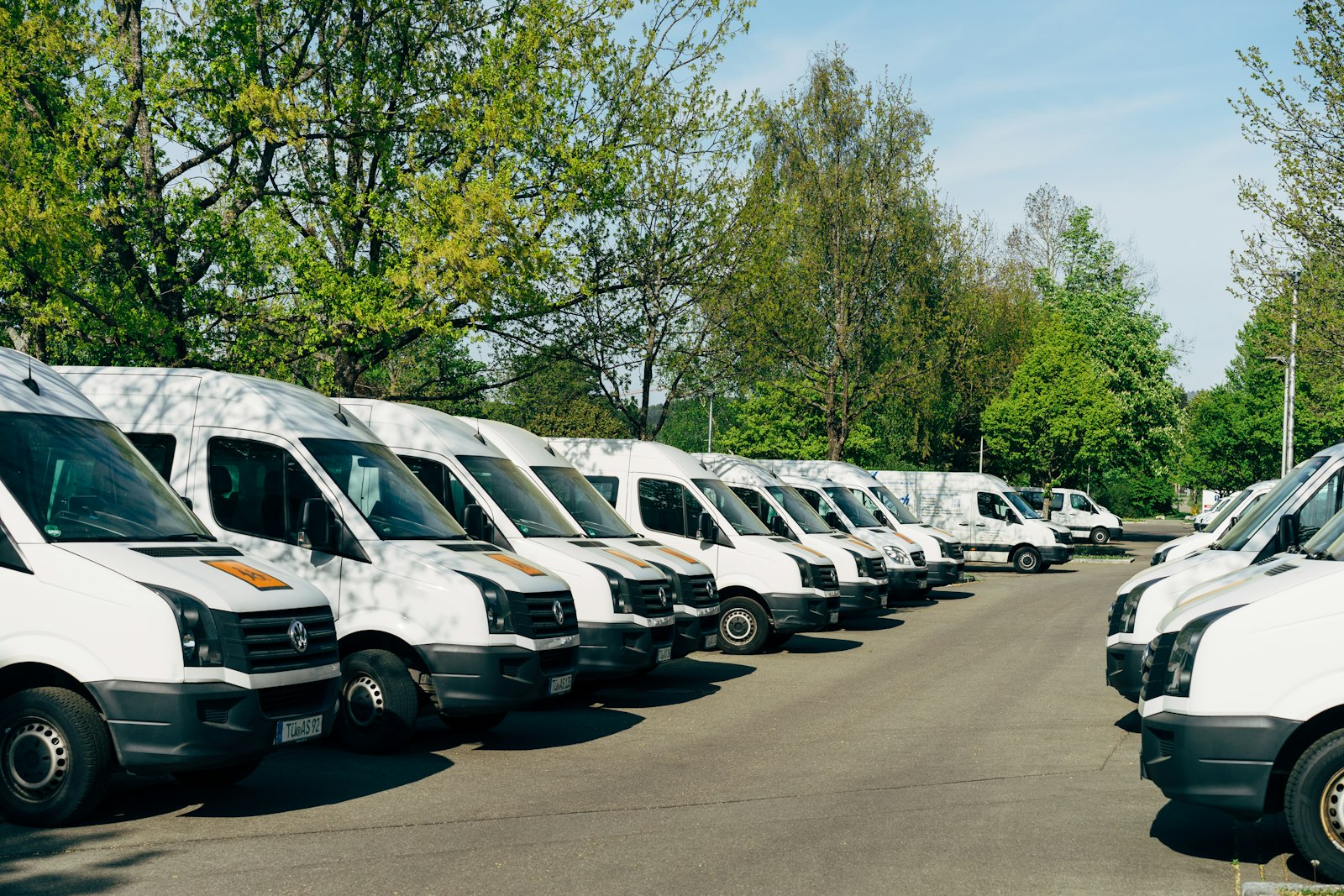
Multiple depots can be a major advantage: wider coverage, less empty running and better local responses. If each depot manages its fleet differently, the advantage becomes confusion.
The team needs to know which vehicles are available, where they are and what restrictions apply. Sharing that information avoids calling each depot to check.
Define a main depot for each vehicle
Each vehicle needs a reference depot for maintenance, cleaning, documents and default assignment, even if it moves around. Otherwise, nobody feels responsible.
Separate actual location from assigned depot
A coach can belong to one depot and spend two nights at another. Record both the assigned depot and current location. With only one, operations makes decisions using incomplete information.
Centralise maintenance
Inspections, insurance, servicing and breakdowns cannot live in separate notebooks. Create one vehicle record with expiry dates, mileage and upcoming tasks. Alerts should arrive before the vehicle is needed, not the day before.
A shared fleet only works if the information is shared too.
Create rules for lending vehicles between depots
When one depot needs a vehicle from another, agree who authorises it, how it is recorded, when it returns and who handles cleaning or refuelling. Without those rules, each loan can lead to a difficult phone call.
Measure empty mileage by depot
Fleet organisation shows in empty running. If a depot makes too many unproductive journeys, it may have the wrong vehicle mix, poor assignments or customers better served from another depot.
One availability calendar
Depots can operate independently, but availability should be visible in a shared calendar. That helps prevent one depot rejecting a booking while another has an idle vehicle, or two teams promising the same coach.
Clear responsibilities
Assign someone responsible at each depot and agree common rules. Each vehicle needs someone to oversee its condition, and assignments should be recorded so the whole team can check them.
Keep each vehicle’s assigned depot, current location, maintenance and availability together. That lets you coordinate depots using the same information and make better use of the fleet.